The Dramatic Portrait the Art of Crafting Light and Shadow by Chris Knight Nitroflare
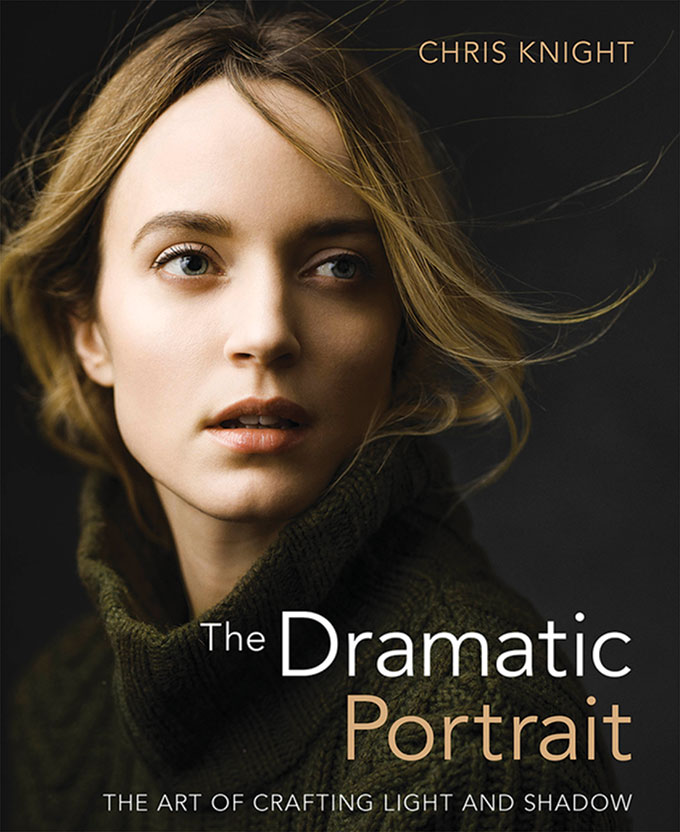
The Dramatic Portrait: The Art of Crafting Light and Shadow
By Chris Knight
Rocky Nook | 240 pp.
Lighting is near a faith for Chris Knight, and The Dramatic Portrait is equally well-rounded and comprehensive a lighting treatise every bit you lot'll find in whatever gimmicky photo literature. A veteran shooter and instructor at Pratt Institute and the New York Film Academy, Knight has a deep passion for and an encyclopedic knowledge of the technical and aesthetic dimensions of portraiture, forth with another standout trait: his lively sense of history.
We open this book to an extended, copiously researched and illustrated chapter that practically traces portraiture dorsum to the dinosaurs—the Egyptians, actually—and follows the portraitist'due south arts and crafts through millennia of art history that eventually lead us to the age of the photograph. All of this is germane to portraitists of whatsoever era. Many of the canons for observing and recording the human face are direct legacies of Renaissance painters like Vermeer, Rembrandt, Dürer, their compatriots and their ensuing generations.

All photos © Chris Knight
Off the history trail, amidst the practical realities of a modern studio, The Dramatic Portrait is a kind of everything-you-demand-to-know handbook structured around Knight's terse, clearly articulated takes on every possible lighting schema in his arsenal. A first, coincidental flip-through lets you know you'll be spending a lot of time in the universe of moody, low-key, off-centrality lighting and film noir portrait studies. But they're the perfect palette for demonstrating, with his extraordinary precision, the vast scope of Knight's innovative and erudite arroyo to his craft.
Price: $39.95
rockynook.com
The post-obit excerpt is from Chris Knight'southward The Dramatic Portrait: The Art of Crafting Light and Shadow. Reprinted with permission from Rocky Nook.
SEEING THE PATTERNS
Earlier we begin, it is worth noting that any of these calorie-free patterns tin can be accomplished regardless of the modifier or fill—the pattern is purely the shape of the lite on the face created by the main (key) light. In fact, yous will notice throughout this chapter I accept used fill and flags extensively; it is important to separate these techniques from the power to encounter the principal lighting pattern itself. Whether ane is using a softbox or a bare bulb, nighttime shadows, or lots of fill, the merely focus is the design (or shape) of the light, not the specific position of the lights or subject in relation to the camera.
The "loop" pattern, for case, can be accomplished whether the subject is facing straight forward, at three quarters, or full profile—if the light moves with the subject'due south confront, the pattern remains the same. Everything is relative.
Likewise, all patterns except the "Paramount" pattern can exist to the left or right (they are not exclusive to one side). These lighting techniques volition start with light to the front end and gradually movement off to the side, creating more shadow on the face, thereby increasing drama. We are starting with the least dramatic lighting pattern and are moving toward the most dramatic.
A Note About WHERE EXACTLY TO PLACE THE Light
Some of you may exist looking for very exact "answers" via numbers and measurements regarding the position and placement of light. But between exposure, the environment, the power of the lights, modifiers, etc., there are just as well many variables to exactly replicate one person's setup for yourself. It is not ever like shooting fish in a barrel (or possible) to say, "Identify the light at 48 degrees overhead, one foot above the subject's face up, two.3 feet abroad, at 1/4 power." If information technology were that formulaic, photography would not be a craft.
Instead, think of the direction provided hither as very specific—but still general—guidance. When you're lighting, you really take to await at the image, see the shadows, and and so make the adjustments. Just experiment. It truly is the all-time way to learn.
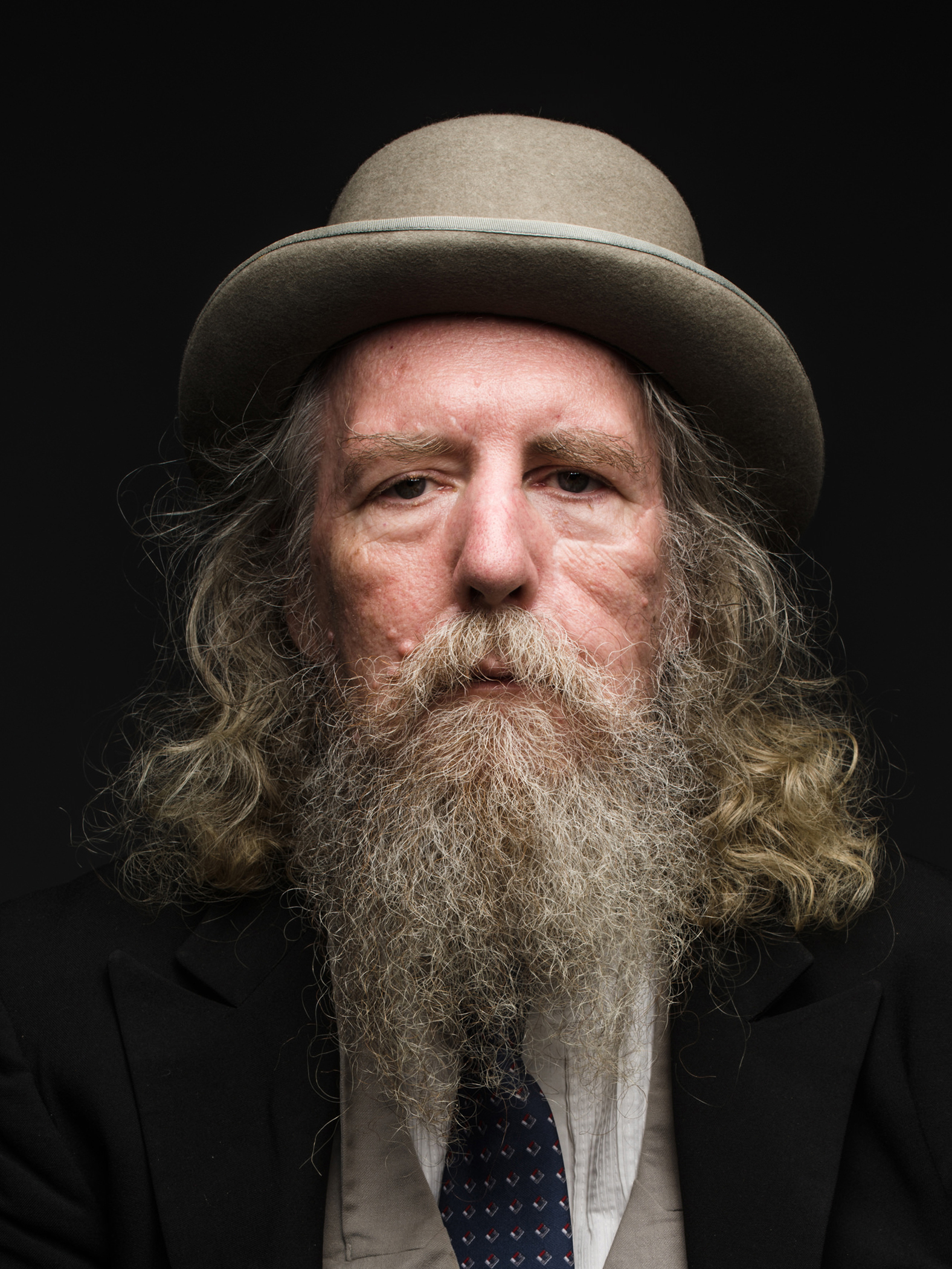
PARAMOUNT
The first lighting pattern is known as Paramount (shown above). Unremarkably used by one-time Hollywood portrait photographers (hence the name), this blueprint is created by positioning the light to the front of the subject and above camera, creating light that defines the cheekbones and results in a shadow underneath the nose. Due to the shape of the shadow under the nose, this is also known equally butterfly lighting.
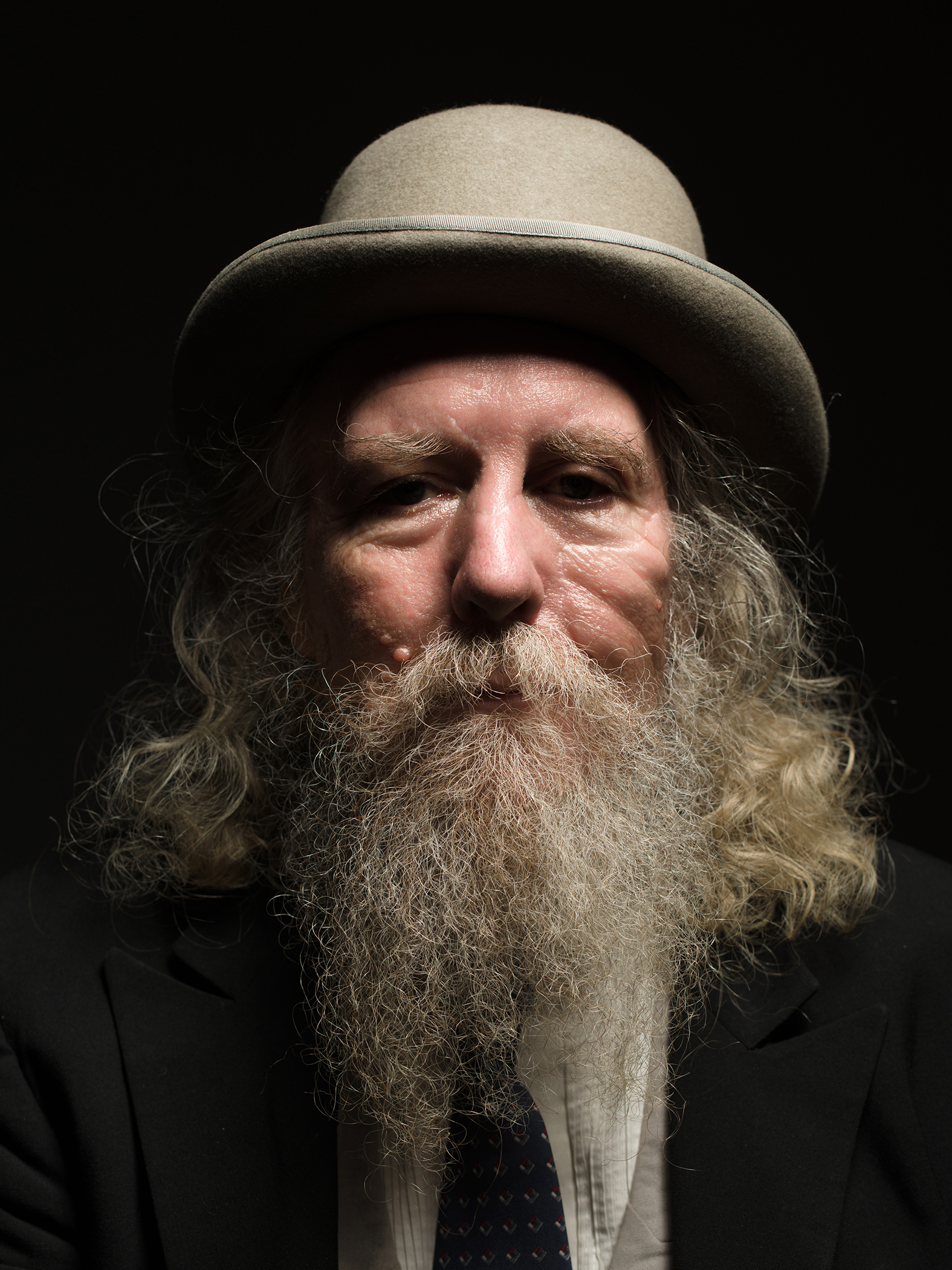
AHOY THERE, MATEY…
When the light is raised vertically, the cheekbones become more divers. Beware of raising the lite likewise loftier as this can create a nighttime, skull-similar shadow event on the optics and a loss of catchlights (shown above). This, of course, is a balance. High lite creates more shadows and drama, but no catchlight from the key light may be undesirable. A catchlight from underneath (via a reflector or boosted calorie-free) tin can be a possible solution.
LOOP
As the lite moves more than off-centre, the shadow nether the olfactory organ begins to lengthen to one side. If it lengthens to the point where information technology meets the cheek shadow, we have gone besides far into the next pattern (Rembrandt), merely between in that location and Paramount, we are firmly in the lighting blueprint known affectionately (and perhaps literally) as loop (shown below).

Loop is characterized by the nose shadow creating a loop off to the side of the olfactory organ. This pattern too introduces more shadow to the unlit side of the face up, resulting in more definition of the subject area's bone structure.
REMBRANDT
Continuing the cranial orbit, the nose shadow becomes then long it merges with the cheek shadow, resulting in a triangle of light under the eye on the unlit side of the face. This is Rembrandt (shown below).
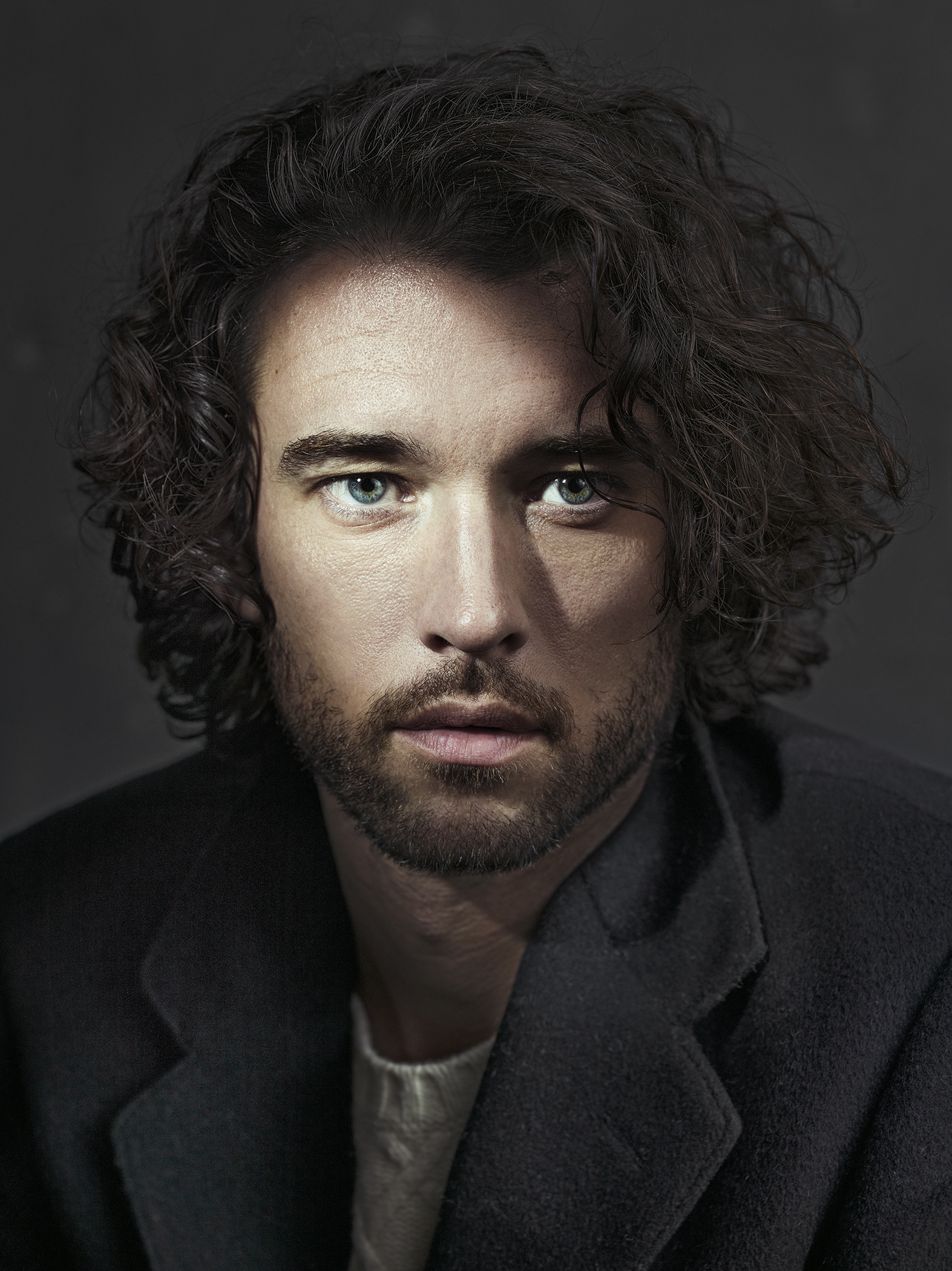
This way of calorie-free was popularized by the Dutch Gold Age painter of the same name. Rembrandt is often synonymous with dramatic light, and and so this lighting blueprint is also. Moving the light more off-axis introduces more shadows, thereby introducing more drama and a more defined sculpting of the bailiwick'southward features. The do good of this detail pattern is that information technology produces the most shadow on the unlit side of the face up while nonetheless keeping both eyes in the light. Ideally, both eyes retain the key's catchlight, which helps to brighten upwards and bring life to otherwise cold, expressionless eyes.
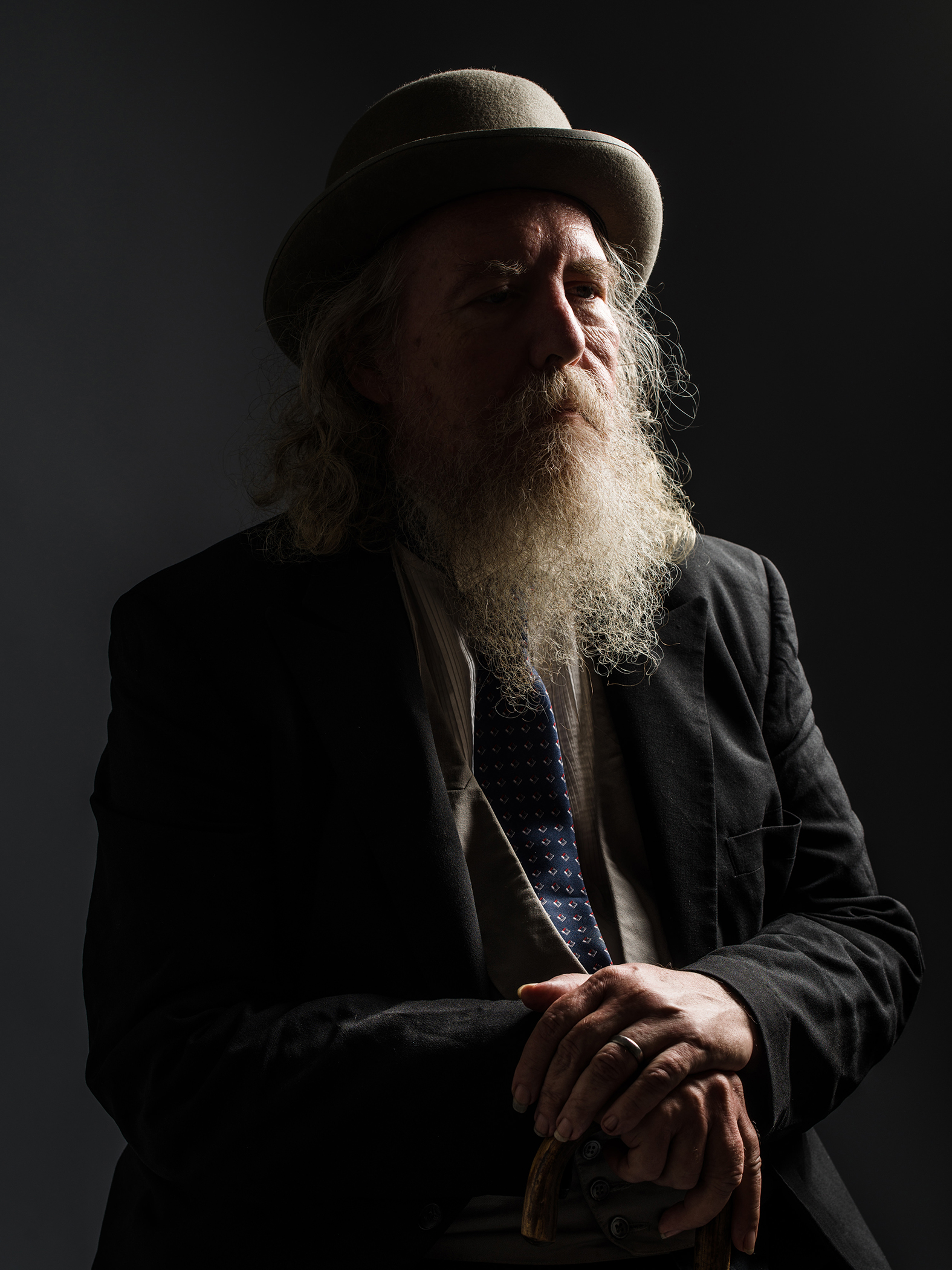
SPLIT
As the lite moves even more to the side, half the face is at present hidden in shadow. This blueprint is chosen split (shown above). Much similar Batman, this low-cal is seeped in drama, oftentimes feels brooding, and has no parents. The calorie-free almost always feels very dramatic. Notice how the eye that was lit in the Rembrandt pattern is at present in shadow.
Related Articles:
Chris Knight Breaks Downwardly His Movie theater and Fine art-Inspired Lighting Scenes
CreativeLive Video Tutorial:Exploring Low-Key Light with Chris Knight
Source: https://www.rangefinderonline.com/news-features/book-reviews/book-review-chris-knights-dramatic-portrait-art-crafting-light-shadow/
0 Response to "The Dramatic Portrait the Art of Crafting Light and Shadow by Chris Knight Nitroflare"
Post a Comment